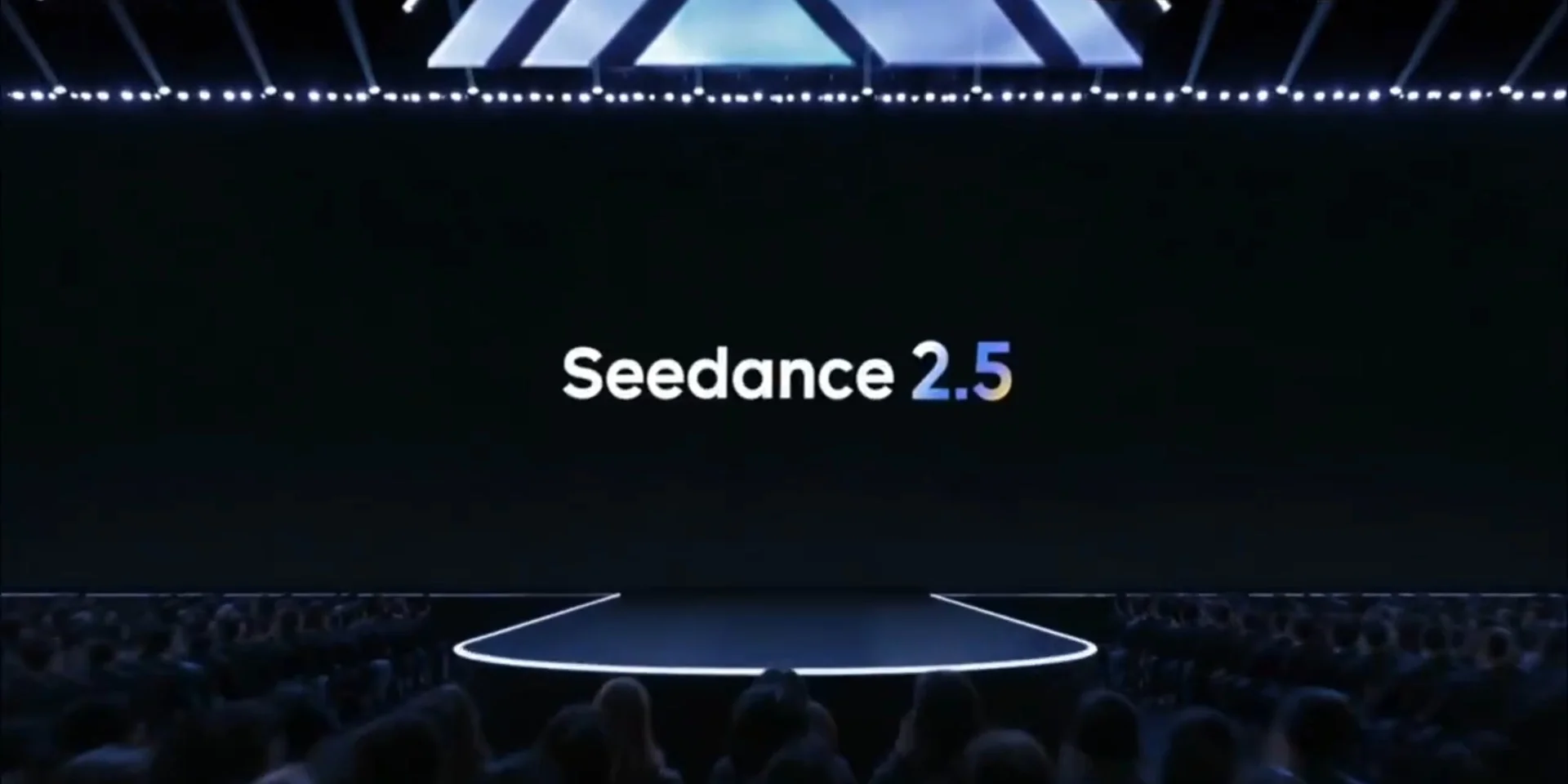
At the 2026 ByteDance Volcano Engine FORCE conference, Seedance 2.5 AI Video Generator was previewed as the next step in the Seedance video generation line. The message is clear: this is not just a small image quality upgrade.
Seedance 2.5 points toward longer, more controllable, and more production-ready AI video creation.
For creators, the most important updates are easy to understand:
30-second native AI video generation
up to 50 multimodal references
more precise editing control
What Do We Know About Seedance 2.5 So Far?
Seedance 2.5 is the next-generation AI video model previewed for longer, more reference-driven, and more controllable video creation.
Seedance 2.0 already made cinematic AI video creation more accessible with multimodal input, image-to-video generation, camera control, motion stability, and native audio-video generation. It helped creators move from simple text prompts to more directed AI video workflows.
Seedance 2.5 builds on that foundation, but its focus is different. It is not only about making a clip look better. It is about making AI video easier to use in real production workflows.
The three most important directions are:
Longer video generation with native 30-second output.
Richer reference control with up to 50 multimodal materials.
More practical editing that allows local changes without destroying the whole video.
Seedance 2.5 has not been fully launched for all users yet.
🔊 At the current stage, it should be understood as being in global enterprise testing, with an expected launch window around early July.
Why Does 30-Second Native AI Video Matter?
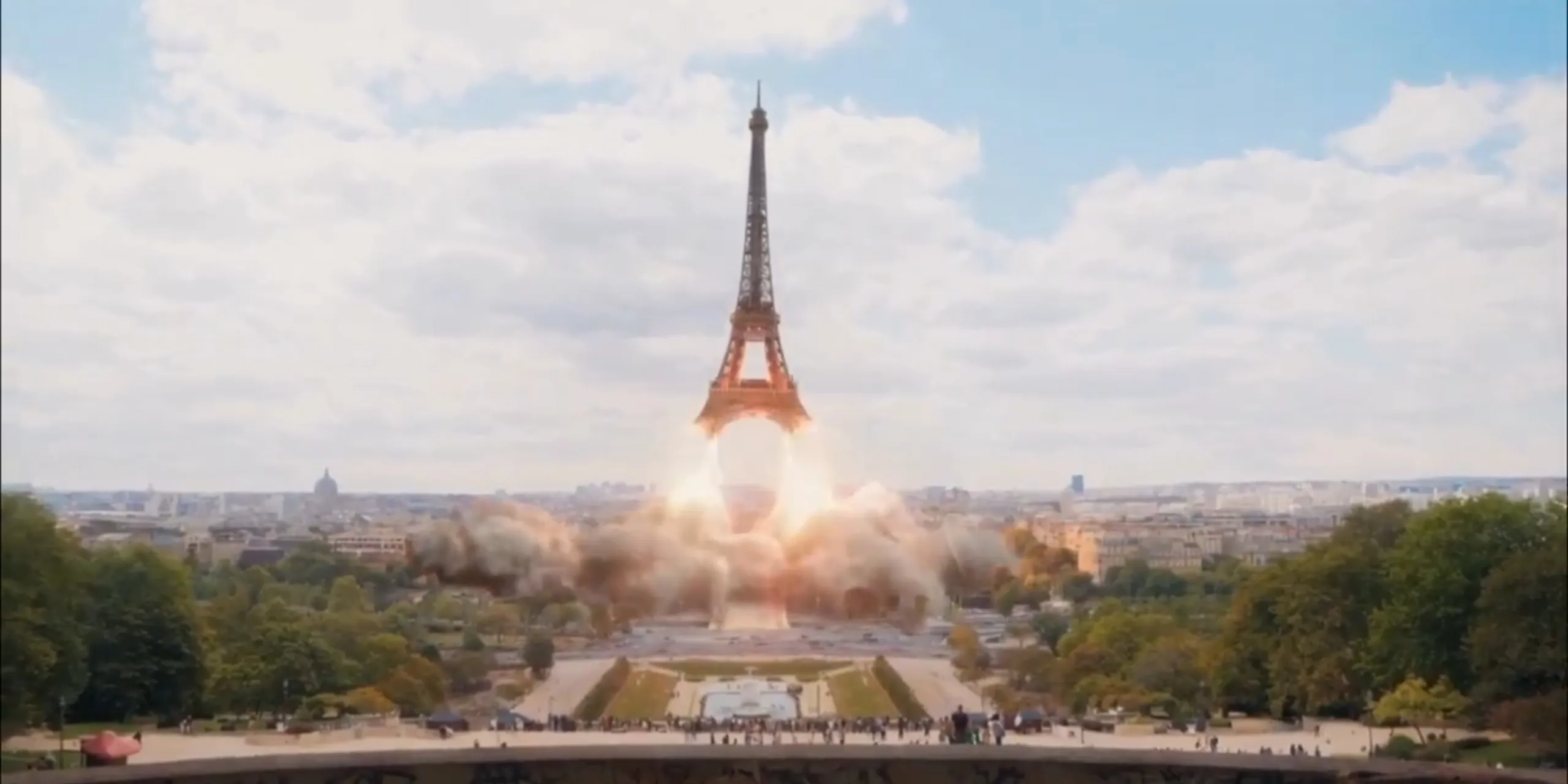
30-second native AI video can reduce the need to stitch many short clips together.
One of the biggest limitations in AI video creation has been clip length. Many creators can generate a strong short shot, but when they want a longer scene, they have to create several clips and edit them together.
That creates problems:
Scenes feel too short to complete an emotional beat.
Ads may feel unfinished because the product story ends too quickly.
Short dramas lose rhythm when every moment must be broken into tiny clips.
Character appearance may change between generated segments.
Products and props may drift after stitching.
Camera movement may feel disconnected from one clip to the next.
Seedance 2.5’s 30-second native AI video generation is important because it can give creators more room to complete a scene inside one continuous generation.
💡 For an AI short drama, 30 seconds can cover setup, tension, reaction, and a hook.
💡 For a product video, it can show a product reveal, close-up, usage moment, and final brand shot.
💡 For a cinematic AI video, it can support a longer camera movement without breaking the visual flow.
This is not just a longer duration. It is a better foundation for continuous storytelling.
How Do 50 Multimodal References Improve AI Video Control?
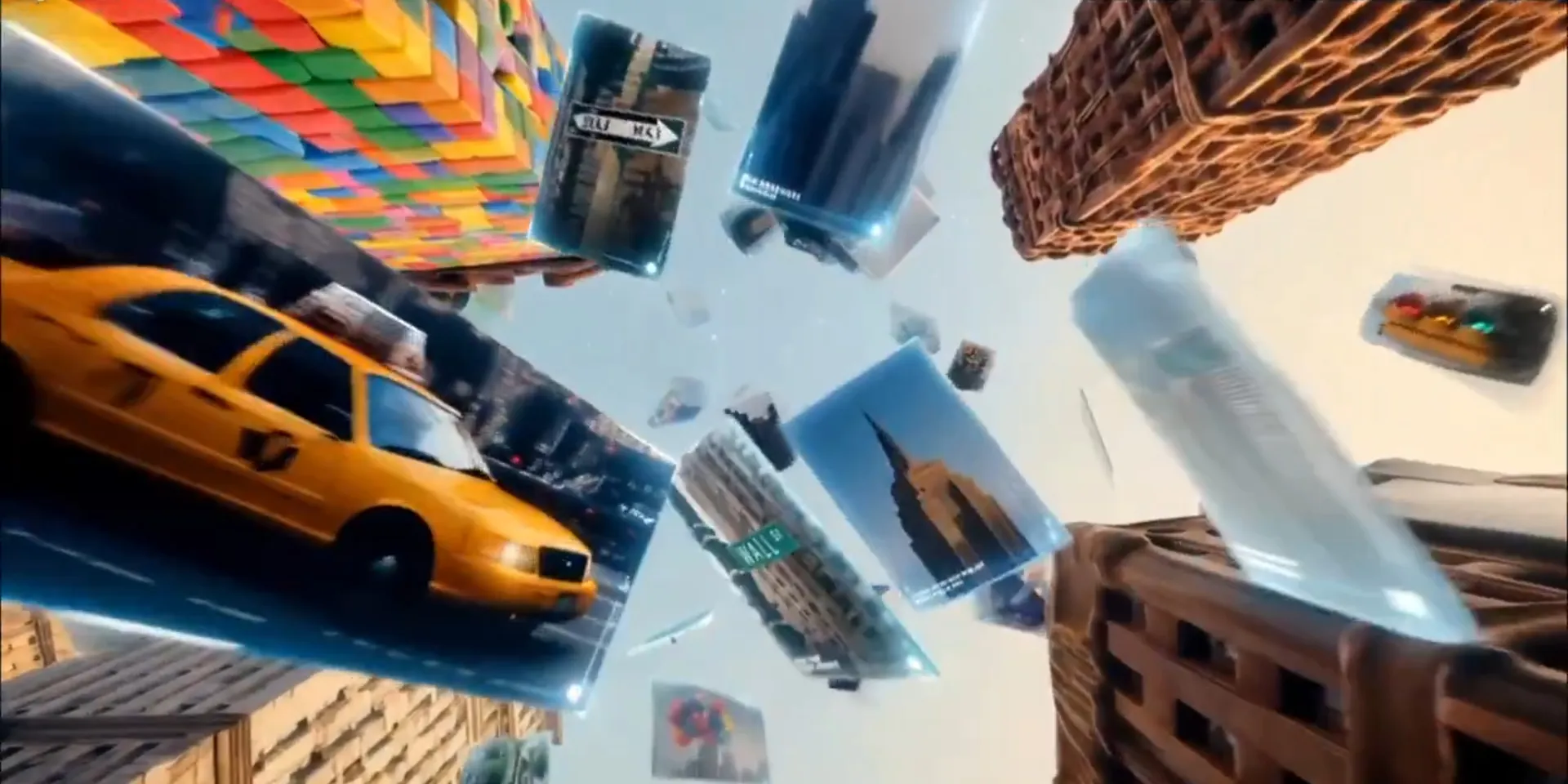
50 multimodal references can help creators guide AI video with much greater precision.
Seedance 2.0 already supports multimodal references, including text, images, video, and audio. That made it easier to guide AI video generation with more than just a written prompt.
Seedance 2.5 raises this idea to a more production-oriented level by supporting up to 50 full-modality reference materials.
More stable multi-character scenes
Creators can provide clearer character identity, outfit, and style references.
More consistent brand videos
Product shape, color, packaging, lighting style, and campaign tone can stay more unified.
More reliable series content
Episodes, ads, and recurring scenes can keep a similar visual language.
More controlled complex storyboards
Different references can guide different parts of the scene, such as character, camera, motion, background, and sound.
For creators, this matters because complex projects often cannot be controlled by one prompt alone.
A brand campaign may need product images, logo references, visual style boards, background examples, camera rhythm references, music direction, and previous campaign assets.
A short drama may need character portraits, costume references, location references, emotional tone, dialogue rhythm, and action examples.
How Does Local Editing Make Seedance 2.5 More Practical?

Local editing is valuable because creators often need to fix one detail without regenerating the entire video.
In many AI video workflows, editing is painful. A creator may generate a good clip, but one small part is wrong: the product color changes, a character’s hand looks strange, the camera move is too fast, or a short moment breaks the rhythm.
The old problem is simple: fixing one issue often means regenerating the whole clip.
That can create new problems:
❌ The corrected part improves, but other parts get worse.
❌ Character consistency changes.
❌ Product details drift.
❌ Lighting changes unexpectedly.
❌ The creator spends more time and cost on repeated generation.
Seedance 2.5 is expected to make this workflow more practical by supporting local changes while keeping the overall video consistent.
For creators, this could mean:
✅ Adjusting a small motion without destroying the full scene.
✅ Fixing a product detail while keeping the composition stable.
✅ Changing one short segment without rebuilding the entire clip.
✅ Improving one shot while preserving character, lighting, and rhythm.
✅ Reducing editing cost and increasing production efficiency.
This matters especially for commercial AI video, where small details can decide whether a video feels usable or unfinished.
Seedance 2.5 vs Seedance 2.0: What is the Difference?
Seedance 2.0 is still useful and important. It remains a strong model for testing prompts, generating cinematic clips, creating image-to-video scenes, controlling camera movement, and practicing multimodal AI video workflows.
Seedance 2.5 does not simply replace Seedance 2.0. It expands the direction.
Feature | Seedance 2.0 | Seedance 2.5 |
Main focus | Controlled cinematic AI video generation | Longer, reference-driven production workflow |
Video length | Up to 15s | Native 30-second video generation |
References | Multimodal references for images, video, audio, and text | Up to 50 multimodal reference materials |
Best use cases | Prompt testing, image-to-video, cinematic drafts, short social videos | AI short dramas, ads, brand campaigns, complex storyboards |
Editing | Useful reference and edit control foundation | More precise local editing without damaging the whole scene |
4K status | Seedance 2.0 has been upgraded with native 4K video generation | 4K support for Seedance 2.5 should not be assumed until full specifications are clear |
Workflow role | Great for learning, testing, and building creative direction | Better for longer, more controlled production once available |
The best way to understand the difference is this:
Use Seedance 2.0 to practice the idea.
Choose Seedance 2.5 for longer, more complex, and more reference-rich production.
How Does the AI Copyright Platform Change AI Video Creation?
The new AI copyright commercialization direction suggests that AI video is moving toward licensed IP creation, not only open-ended generation.
ByteDance has always had a strong platform advantage: creation tools, editing tools, distribution channels, and content platforms can work together. With the preview of an AI copyright commercialization platform, this advantage may become even more important.
The new direction can be understood as:
Model + licensed IP + creation platform + distribution ecosystem
For creators, this could change how AI video content is made and shared.
Instead of risky imitation or unauthorized fan-made copying, creators may be able to use:
💡 official licensed templates
💡 recognizable IP styles
💡 approved content assets.
This can help solve two major problems:
Copyright safety
Creators can use official authorized materials instead of copying protected characters or scenes without permission.
Visual consistency
Licensed templates can provide stronger character, scene, and style continuity, making AI recreations more stable and recognizable.
This direction is especially relevant for AI short drama, IP remix videos, movie-style edits, social media trends, and creator-led fan content. It suggests that Seedance is not only becoming a video generation model, but part of a larger AI content production chain.
How Can Creators Prepare Before Seedance 2.5 Launches?
Creators can prepare for Seedance 2.5 by learning better Seedance 2.0 prompts, references, and scene planning now.
Even though Seedance 2.5 is not fully available yet, creators do not need to wait passively. The skills that matter in Seedance 2.0 will become even more important when longer and more reference-rich generation becomes available.
Start by practicing:
Clear prompt structure
Write prompts with subject, action, scene, camera movement, visual style, sound, and timing.
Shot planning
Break a longer idea into scenes, beats, and camera moments.
Reference organization
Prepare character images, product images, style references, audio direction, and motion examples.
Camera control
Learn how push-in shots, tracking shots, orbit shots, close-ups, and wide shots change the story.
Audio-visual rhythm
Think about dialogue, sound effects, music, pauses, and emotional pacing.
Consistency testing
Use Seedance 2.0 to test which references and prompts keep subjects stable.
Seedance 2.5 may bring longer videos and more reference capacity, but stronger tools still need stronger creative direction. The better you understand prompt writing and reference control now, the easier it will be to use Seedance 2.5 when it becomes available.
Seedance 2.5 is Coming Soon - Stay Tuned !
The most exciting part of Seedance 2.5 is not just that it can generate longer videos. The bigger shift is that creators may get more control over the full workflow:
longer scenes
more references
better editing
safer IP creation
stronger production consistency
👉 Before Seedance 2.5 becomes available, creators can start learning how to use Seedance 2.0 better to practice prompts, test ideas, refine scenes, and collect stronger references.
When Seedance 2.5 arrives, those skills and materials can help you create longer, richer, and more controllable AI videos with more confidence.